LOOK AROUND BUT YOU WON’T SEE ME: A Brief History of Fleetwood Mac and the Release of Buckingham Nicks
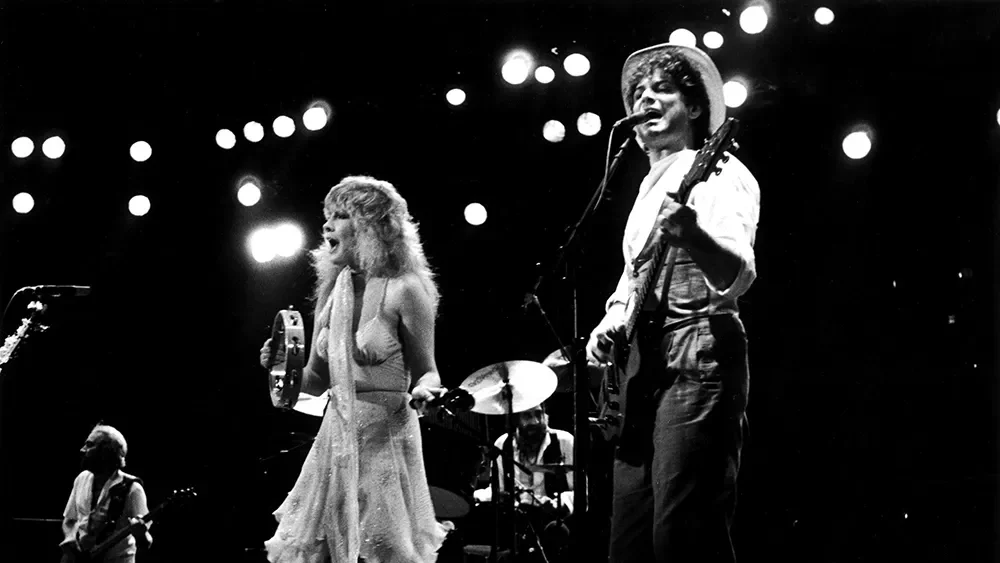

Many people throughout many decades, culture changes, and generations passing can associate pure enchantment to that of the discography of Fleetwood Mac. From more well known timeless classics such as Rumors (1977) or self-titled Fleetwood Mac from 1975, to fan favorites such as Tusk (1979) or Tango in the Night (1987), there is no doubt that there is a song for everyone. However, the legendary status that Fleetwood Mac holds now and the admiration that musicians for years to come will maintain did not come as simply as the average listener may assume. Founded in London in 1967 by singer/guitarist Peter Green, the band began rooted exclusively in blues rock, heard in songs such as “Black Magic Woman” or even in their 1968 album, sharply named “Peter Green’s Fleetwood Mac”. During this time, Green was accompanied by drummer Mick Fleetwood and bassist John McVie, in which both of their surnames contributed to the band’s memorable moniker. Green had ultimately left the band following the release of Kiln House in 1970, as McVie had shuffled in his wife, Christina, to sing and play keyboard. Kiln House remains as a significant marker in the band’s stark shift from blues rock and roll into the jangly-yet-dreamy Californian soft pop we all know and love so well.
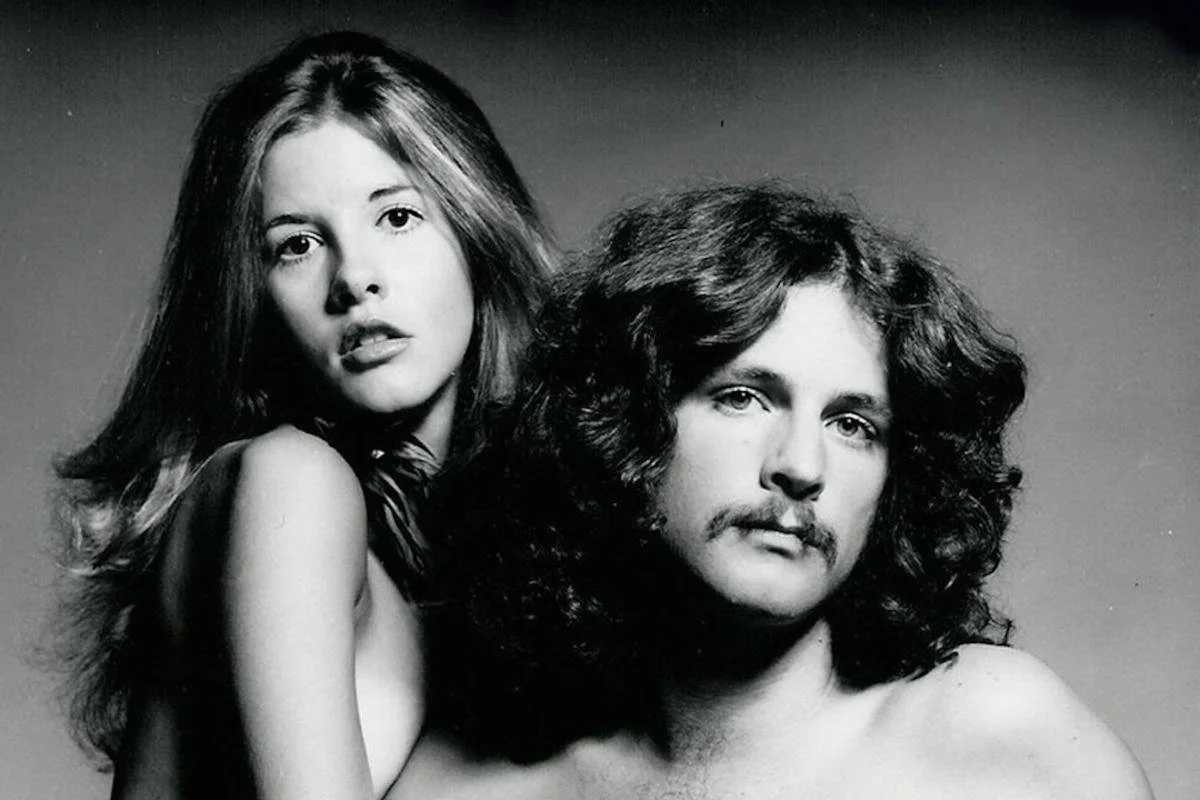
Simultaneously throughout the trials and tribulations Fleetwood Mac were going through during these years, Lindsey Buckingham and Stevie Nicks were just getting started. Having met in the Bay Area of California during their high school years, Stevie a senior and Lindsey a junior, their first connection had been through music. Akin to that of a perfectly curated movie scene, Lindsey had been playing piano and singing along to The Mamas and Papas’ “California Dreamin’” as Nicks joined in with harmonies. Despite Nicks’ first impression of Buckingham being that he was “darling”, it was two years later that the pair had reconnected to create music in Buckingham’s own band, Fritz. Short lived, the pair soon moved to Los Angeles in 1971 to pursue music as a duo. After having signed to British-based label, Polydor, they created their one, and only, album as a pair in 1973. Aptly naming the album Buckingham Nicks under the name Buckingham Nicks, this album, without exaggeration, tanked completely. At the time, no one knew Buckingham nor Nicks, and the project went without promotion, record sales, and radio play after its release. “When Polydor dropped that record, we were completely depressed,” said Nicks in an interview with The Island Ear in 1994. Not only was the pair depressed, they were also broke in Los Angeles after Polydor kicked them off the label. Back to square one.
Buckingham had met Mick Fleetwood at a New Years Eve party right before 1974, and some time after that found himself recording demos at Sound City Studio in San Fernando Valley, where he heard something from another room - his own song. The closing track of his and Nicks’ supposedly forgotten debut, “Frozen Love”. He soon found Fleetwood in the room, totally immersed and utterly impressed. After the exodus of guitarist Bob Welch from Fleetwood Mac, Fleetwood urged Buckingham to join the band. “Originally they weren’t looking for a duo, but I said Stevie and I were a package deal,” Buckingham told The Independent in 1998. Package deal indeed, proven by the triumph that is Buckingham Nicks, Fleetwood obliged. Only one year later, Fleetwood Mac would emerge to the mainstream as a completely reborn group with their release of Rumors. Music obsessors and radio grazers alike would come to experience memorable favorites like “Dreams” and “The Chain” - songs we have come to be so familiar with today, but were brand new to the ears of the public in 1975.
Buckingham Nicks went on officially unreleased as an album for about five decades - although diehards would find ways to bootleg the tracks online for their listening pleasure, or bid up to hundreds of dollars for the physical copy. That was the norm, until June of this year, when both Nicks and Buckingham began vaguely posting on Instagram hinting that something may be on the way. Given their tumultuous, extremely public and voyeuristic relationship during Fleetwood Mac’s heyday (think Silver Springs live in 1997), this was intriguing to say the least. What resulted from these hints was the official remastering and digital release of the album that quite literally, started it all, and represented the starting journey of one of the most recognizable musical pairs in rock music. “Crying In The Night”, the remarkable catapult into the album, brings the listener along through love and emotion in multiple facets. One track relays love fondly, “Crystal”, and the other bitterly, “Long Distance Winner” (a direct jab to Buckingham, serving as the first of many public quips about their relationship). Framed alongside instrumental tracks, the romantic “Stephanie” and “Django”, what is left is, quite literally, a complete masterpiece. Each track highlights the incredible musical chemistry that the two created, with one or the other beginning the song and being joined by the other through harmonies and background vocals that combine as if it were always meant to be. This album seamlessly illustrates each counterpart’s unique ability to convey emotion through varying styles of guitar playing, vocal ranges, and song structures, while also creating a sense of a story and adventure, as one song is not like the other. During its initial release, Buckingham Nicks went unnoticed. Decades later, we can now reflect upon it in its fully remastered glory as an important piece in rock music history, the direct precursor to the creation of one of the most beloved and respected music groups of all time. As Cameron Crowe once described it, “Suddenly everyone, everywhere, loves Fleetwood Mac.” Or alternatively, as my grandfather once said, “Those god damn sons of bitches can sing.”
